

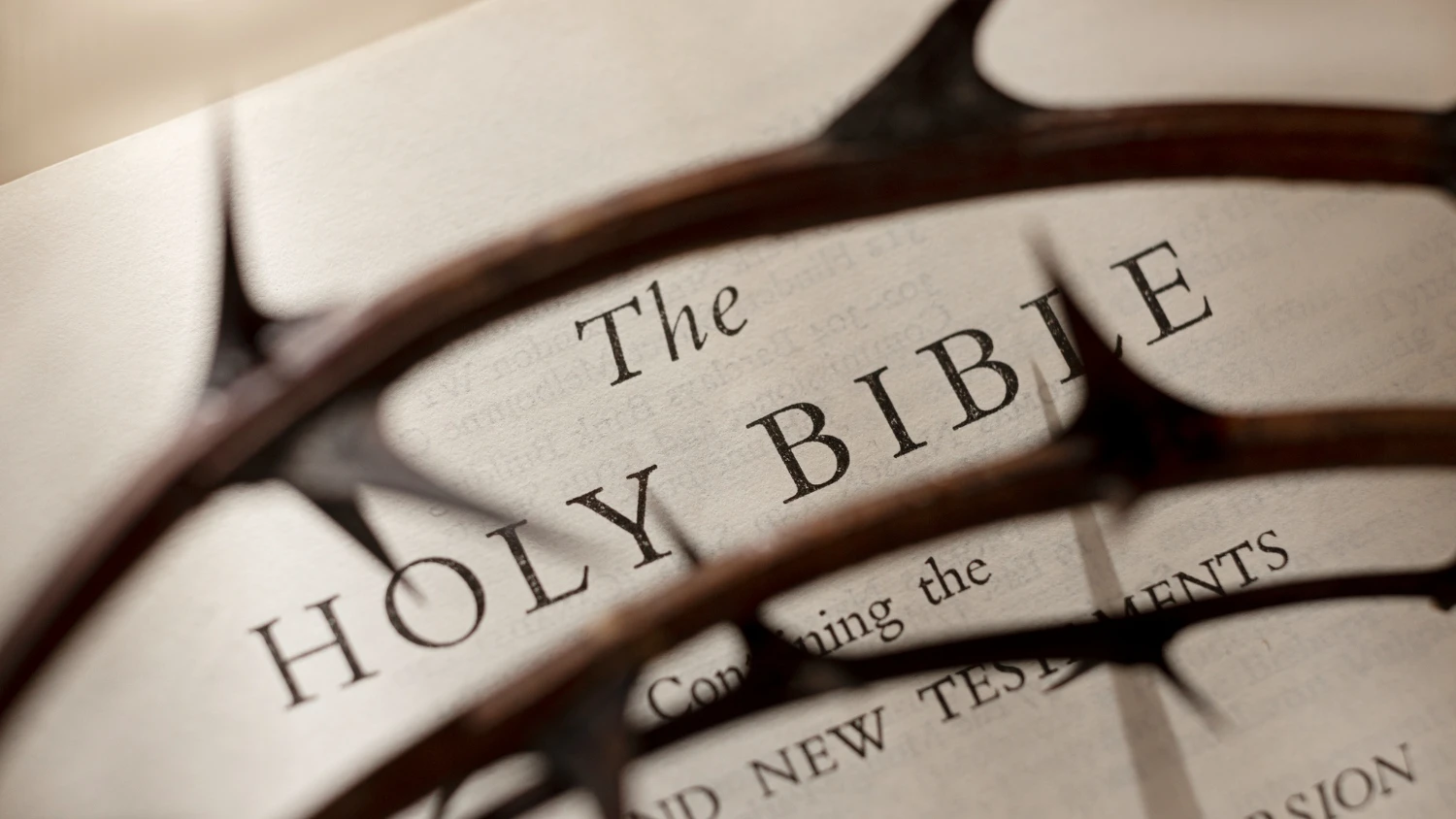

Many students ask when was the bible written and expect a simple date. You cannot pin down one specific year for this massive library. Authors wrote these texts over a period of more than a thousand years.
Scholars divide the writing process into several major historical periods. Each era left a unique mark on the style and message of the manuscripts. You understand the texts much better when you study their timeline.
The Old Testament Era
Historians date the earliest written fragments to around the thirteenth century BCE. Nomadic tribes shared their stories out loud long before writing became common. Leaders eventually started recording these important traditions on animal skins.
Modern researchers find evidence of many editing stages in the ancient texts. Scribes combined different sources to create a unified story about the world. They built a strong foundation for future generations of readers.
Early texts feature many poetic sections and ancient songs. People easily memorized rhyming lines during long journeys across the desert. This method kept the information accurate until scribes physically wrote it down.
The Time Of Israelite Kings
The monarchy period brought major changes to how writers created sacred texts. Kings hired professional scribes to keep official state records. Palace archives quickly filled up with new documents and historical accounts.
This era gave us most of the famous psalms and wisdom books. Authors wrote down their thoughts about life, justice, and their relationship with God. You read these exact same poetic lines during modern church services.
Scribes used expensive materials and special ink to preserve the texts. They carefully copied every symbol and checked their spelling. One simple mistake forced them to destroy the entire scroll and start over.
The Power Of Oral Tradition
Students often underestimate the power of oral storytelling in the ancient world. Middle Eastern cultures trained human memory from early childhood. Storytellers could repeat hours of history without making a single error.
The community strictly controlled the accuracy of important historical events. Listeners immediately corrected the speaker if they changed a known story. This strict group control guaranteed the survival of accurate facts.
The Impact Of The Babylonian Exile
The sixth century BCE became a critical moment for text preservation. An enemy army destroyed Jerusalem and burned the main religious center. Priests lost their home and began rescuing their sacred scrolls.
During their exile, national leaders realized the absolute importance of the written word. They gathered all surviving fragments and started organizing them systematically. This period gave a massive push toward finalizing the books.
Scholars consider the Babylonian exile the forming stage of the modern structure. Editors grouped scattered stories into large chronological sections. They created a clear format to teach their youth in a foreign land.
Returning Home And Writing New Texts
People started rebuilding their nation after returning from exile. Prophets started reading the collected historical texts in public squares. They translated hard ancient words into the common language of the day.
The final books of the older library section appear during this time. Authors describe the struggles of rebuilding and give new moral instructions. They logically complete the first major block of texts.
Academic historians call the next four hundred years the silent period. Religious leaders stopped adding new books to the official list. They focused entirely on studying and explaining the existing scrolls.
The Prophets And Historical Records
Official record keepers documented every change in power and foreign conflict. They used state archives to build an objective picture of the past. You read detailed reports about city construction and tax systems.
Prophets acted as social critics and spiritual guides. They wrote down their visions and harsh warnings for the wealthy elite. These texts frequently contain sharp criticism of corruption and demands for justice.
Every author had a unique writing style and vocabulary. Some used rich poetic language and complex metaphors. Others wrote simply and emotionally about the tragedy of their nation.
The Creation Of The New Testament
The first century CE brought a massive new wave of writing. Followers of Jesus began recording his teachings for future generations. This process happened much faster than the creation of the older books.
The Apostle Paul wrote his famous letters around the year fifty CE. He sent these documents to different cities to solve practical problems. Today, you find these texts in almost every modern edition.
Gospel authors started their work a few years later. Mark wrote his short text roughly thirty years after the main events. Other authors used his work as a solid base for their own historical accounts.
Building The Early Communities
Early believers gathered in private homes to read the apostolic letters. They made exact copies of these documents to send to neighboring towns. This active exchange network built the foundation for the new collection.
Community leaders quickly saw the need for united teaching standards. They started separating genuine apostolic letters from later fakes. This process required deep analysis of writing styles and historical timelines.
Ancient Translations
Scholars created the most famous Greek translation of the ancient texts in Alexandria. This massive project made the books available to the entire ancient world. People finally studied eastern wisdom in a common European language.
First-century authors frequently quoted this specific Greek translation in their work. It served as a bridge between totally different religious traditions. Studying these translations helps modern students track how religious words evolved.
Writing Materials And Language
Ancient authors used three different languages to write their books. Scribes wrote most of the old texts in classical Hebrew. A few later fragments contain large sections written in Aramaic.
Writers composed the newer texts entirely in common Greek. This choice let them spread ideas quickly across the Roman Empire. Ordinary merchants and soldiers easily read and understood this dialect.
First-century writers abandoned long scrolls and adopted the book format. They sewed pages together so readers could find passages quickly. This technological invention drastically improved the daily reading experience.
Preserving Texts Through Time
Many students question the accuracy of ancient copies and manuscripts. Copyists spent their entire lives copying these important books by hand. They developed complex mathematical systems to check every single word.
Scribes counted the exact number of letters on every page to prevent mistakes. They knew the exact middle word of every book in the library. This strict work discipline ensured amazing data accuracy over centuries.
Archaeologists constantly dig up ancient manuscripts all over the world. Discoveries in desert caves prove the high quality of ancient scribes. You can completely trust the texts you study in your classes today.
Leave a Reply