
People often ask how many books in the bible exist across different religious traditions. You might think every edition holds the exact same ancient text. We explain the historical choices that shaped the modern collections you read today.
The Standard Protestant Collection
Most modern readers use the standard Protestant edition for their daily studies. This version contains sixty-six individual texts divided into two main sections. You find thirty-nine texts in the Old Testament and twenty-seven in the New Testament.
Scholars finalize this specific list during the Reformation period. Leaders like Martin Luther focus strictly on the original Hebrew manuscripts for the older section. They remove several texts that lack early Hebrew sources.
Students easily memorize this structure using simple math tricks. You multiply three by nine to get twenty-seven, which represents the newer section. This basic division helps you navigate the entire library quickly.
The Catholic And Orthodox Traditions
Catholic editions feature a larger collection of seventy-three texts. Church leaders include seven additional ancient writings known as the Deuterocanonicals. You find historical accounts like Maccabees that describe important events before the first century.
Eastern Orthodox traditions expand the collection even further. Their editions contain up to eighty-one texts depending on the specific regional church. These extra writings provide deep cultural context for ancient religious practices.
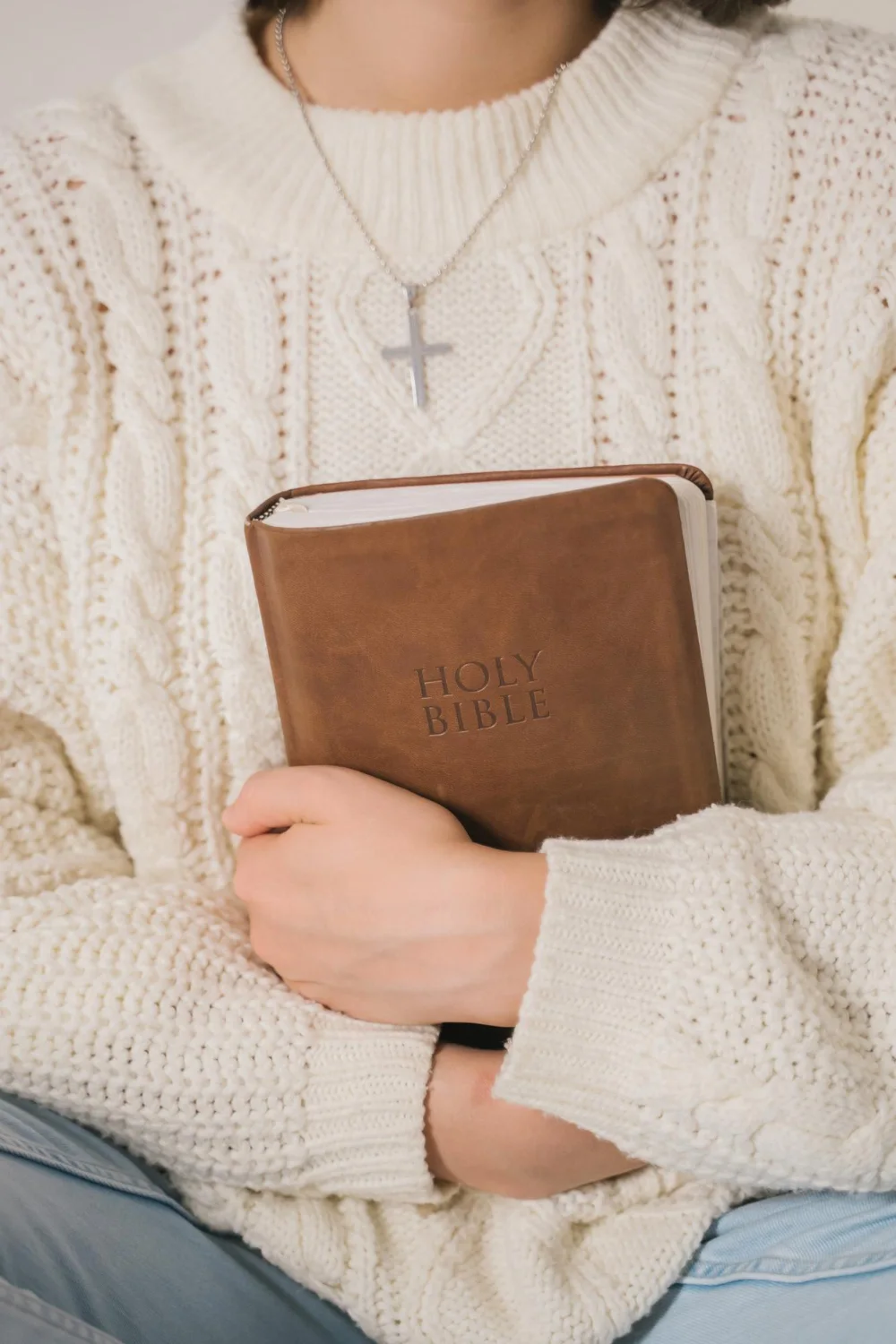
The Process Of Choosing The Texts
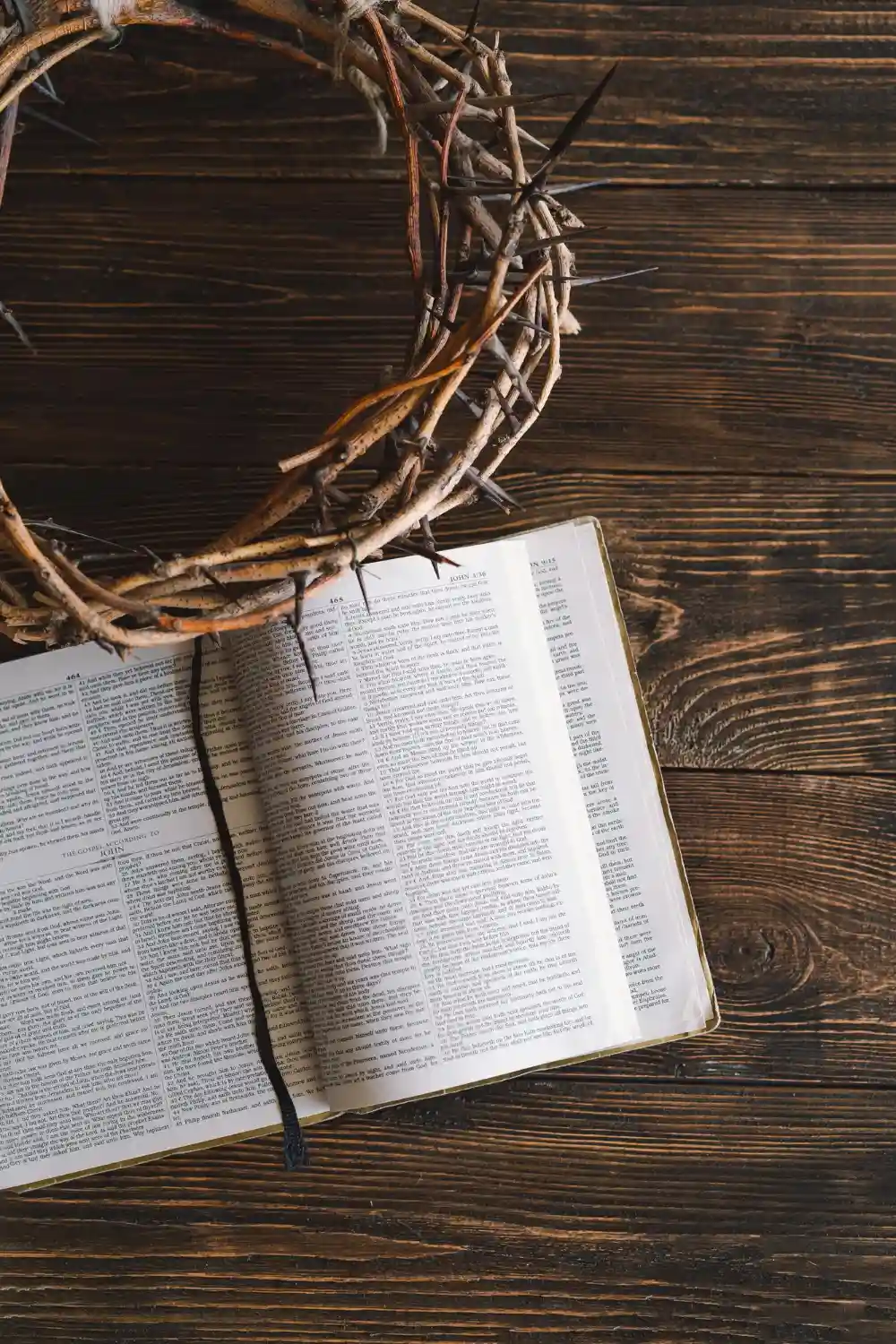
Early religious leaders hold council meetings to evaluate hundreds of ancient scrolls. They apply strict rules to decide which writings carry true authority. A text needs clear ties to original apostles or prophets to make the final cut.
Committees reject many popular stories from the first few centuries. They spot historical errors and theological contradictions in these rejected documents. You know these excluded writings today as the Apocrypha or pseudepigrapha.
The selection process takes several hundred years to complete. Different regions share their preferred scrolls through complex trade routes. Communities slowly build a unified agreement on the core texts over generations.
Modern archaeologists still discover ancient scrolls in desert caves. These rare finds confirm the accuracy of the decisions made by early councils. You read the exact same messages that ancient students studied thousands of years ago.
Tips For Memorizing The Structure
Group the texts by their literary style to learn them faster. You find distinct sections for history, poetry, and prophetic warnings. This method helps you understand the main purpose of each specific section.
Create custom flashcards for the major parts of the library. Write the core message of each text on the back of the card. You quickly master the entire layout and impress your theology professors. Students rely on essay services https://writepaper.com/apa-paper-writing-service to receive high-quality content that reflects accurate analysis, proper citation, and consistent academic tone.